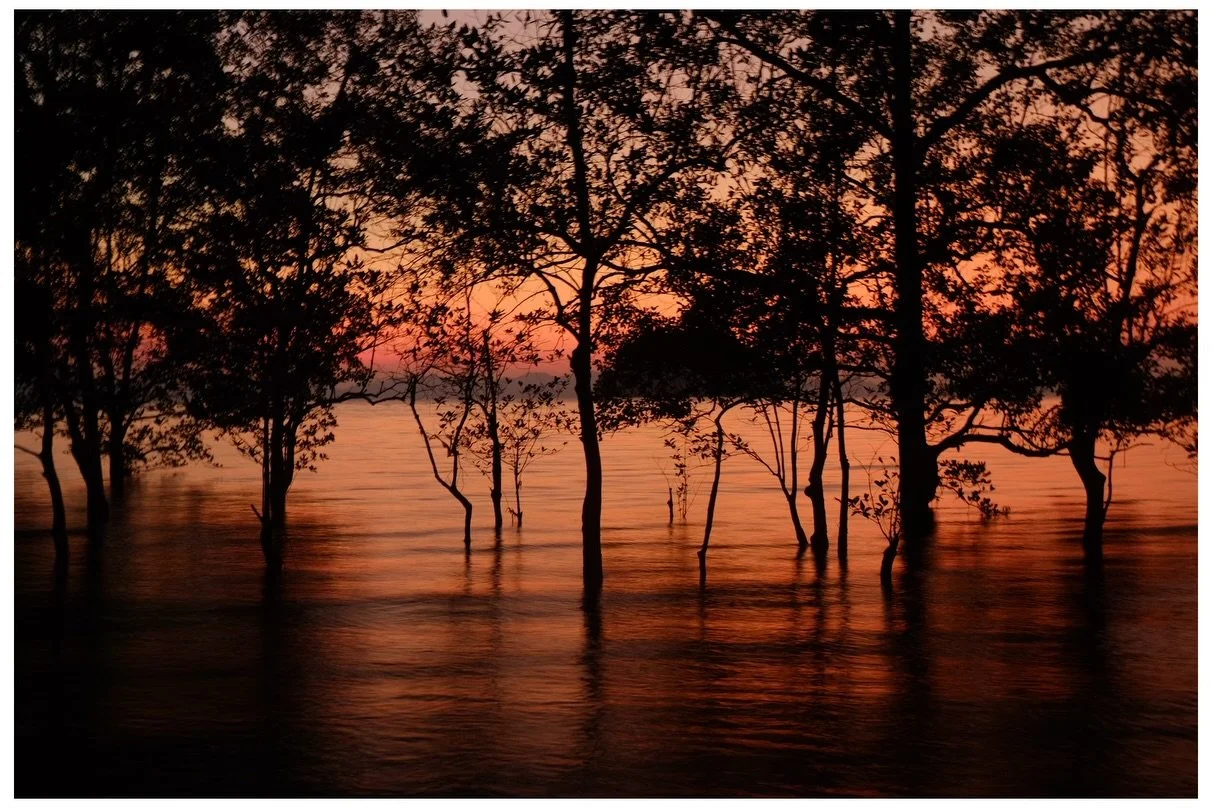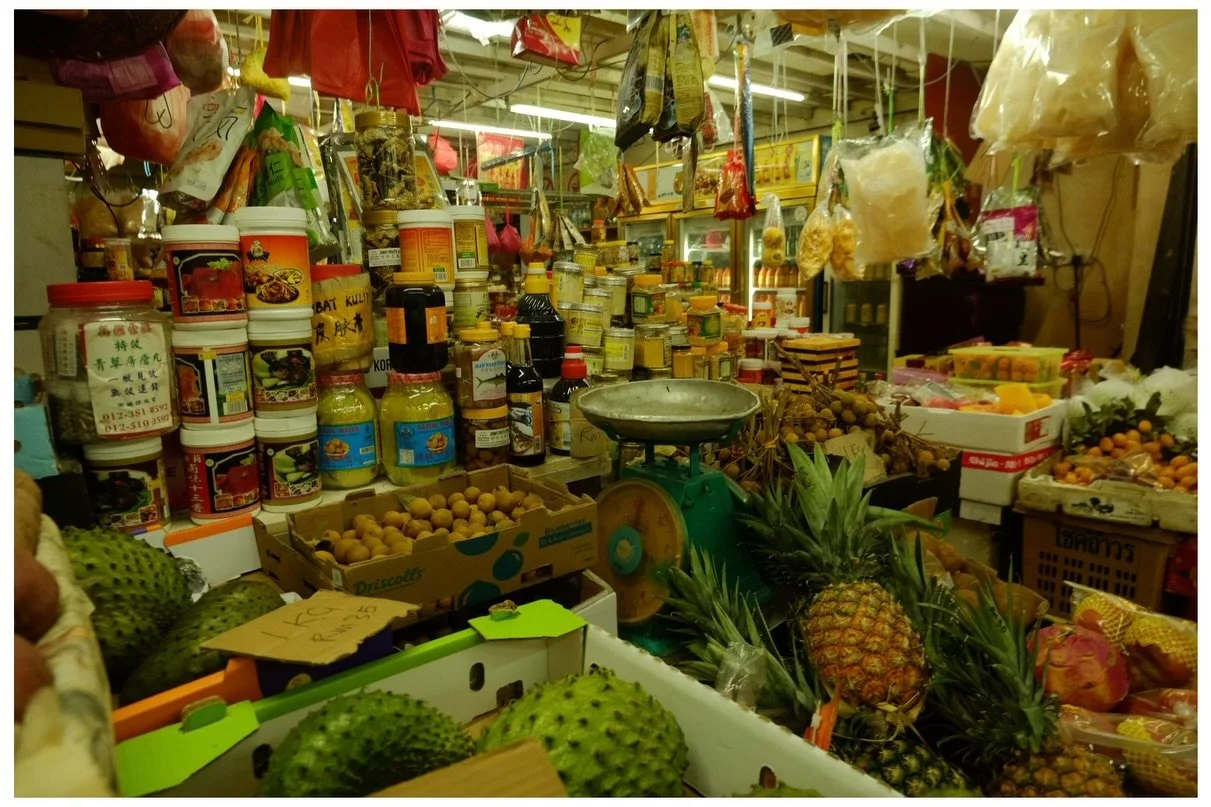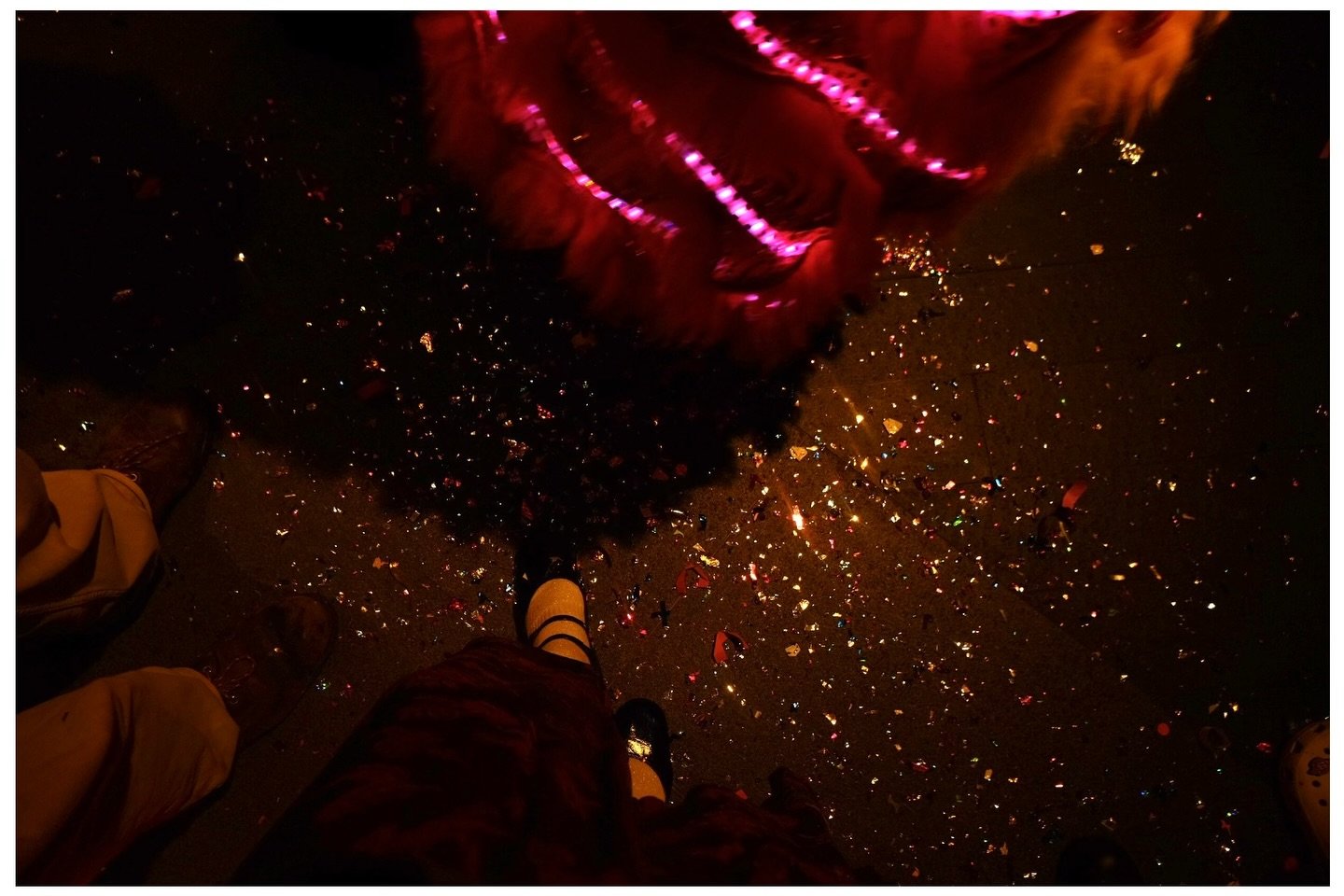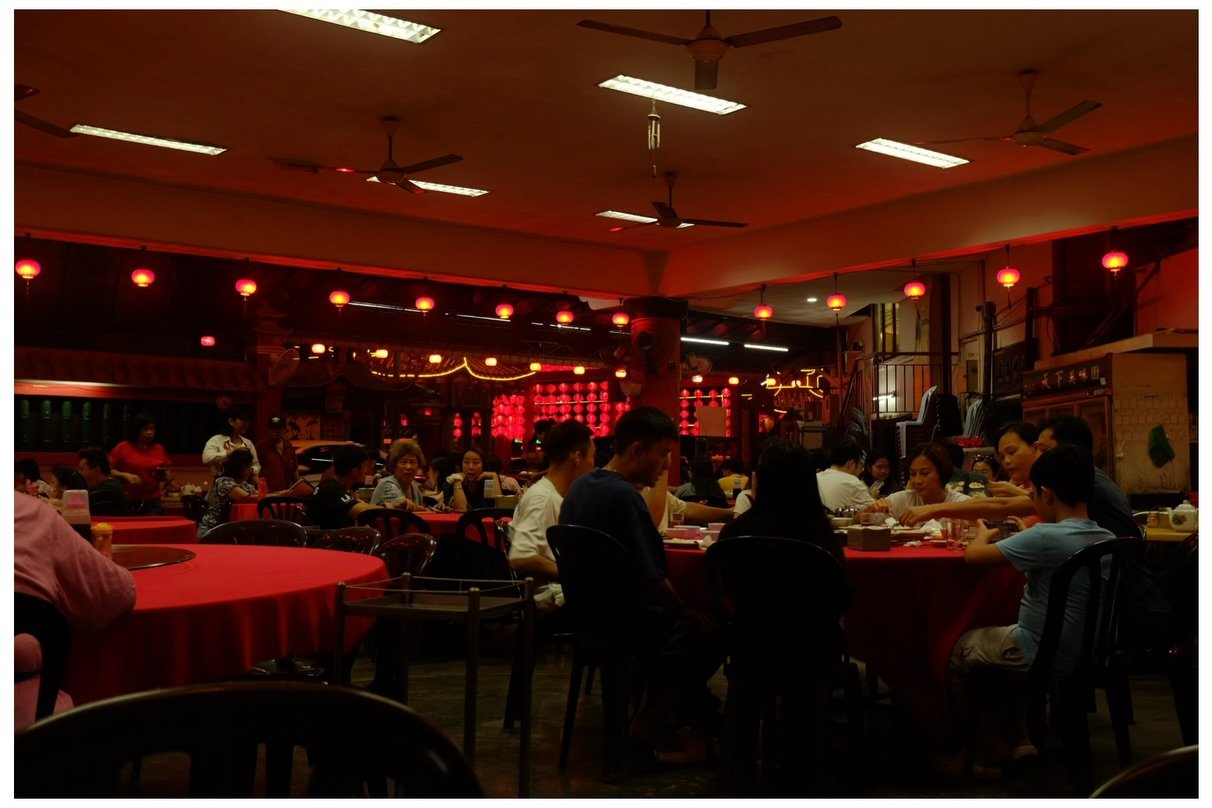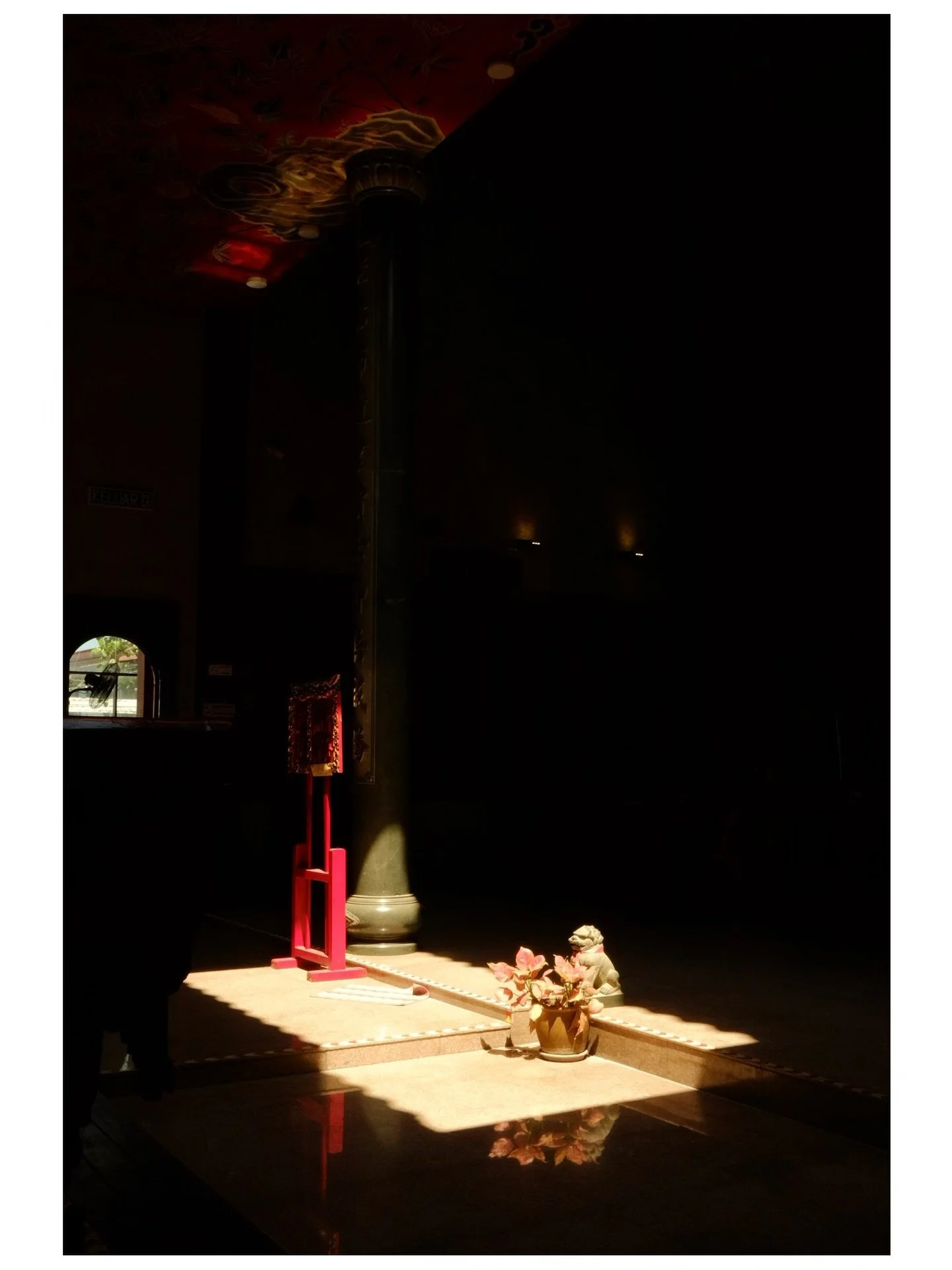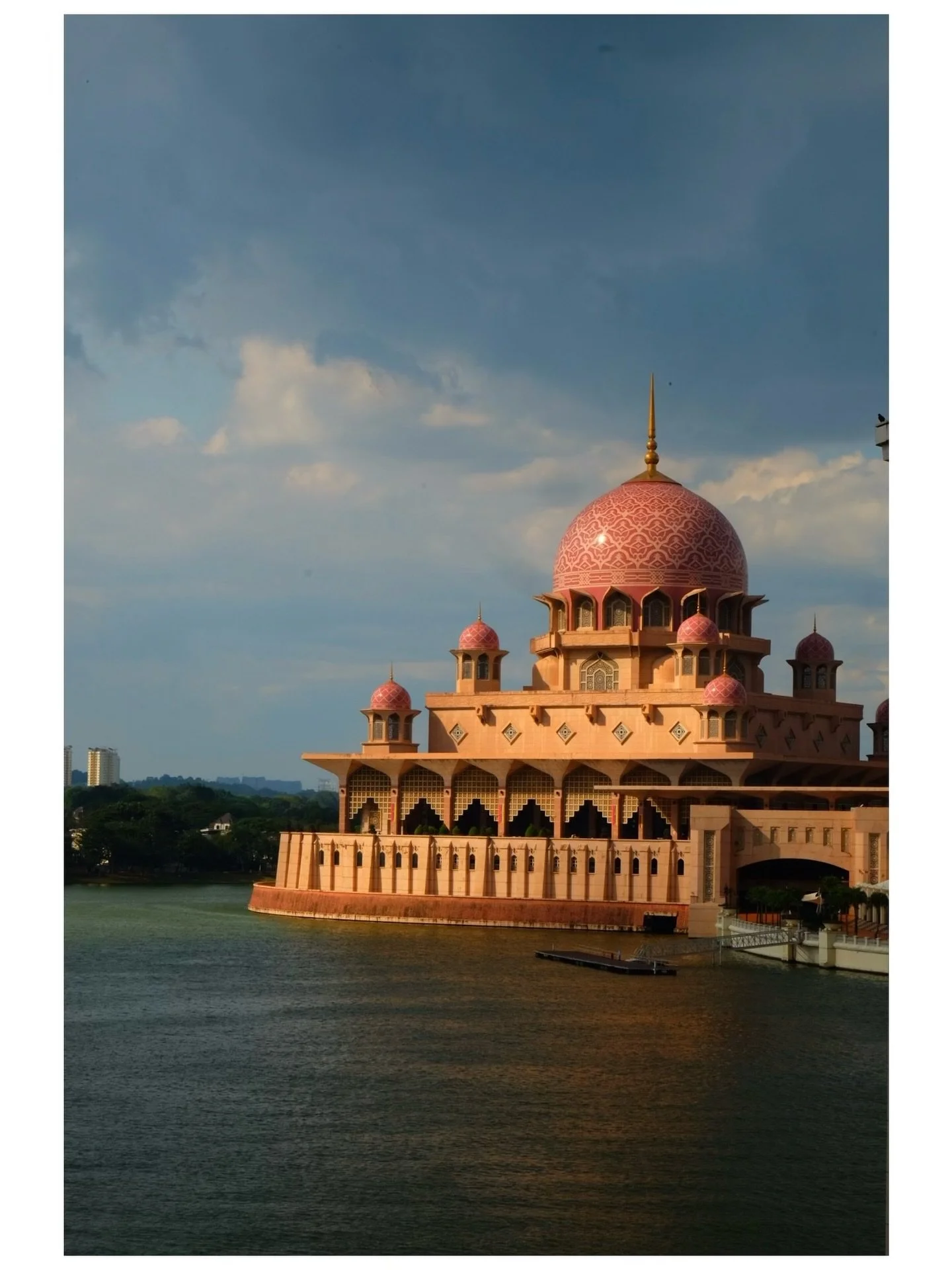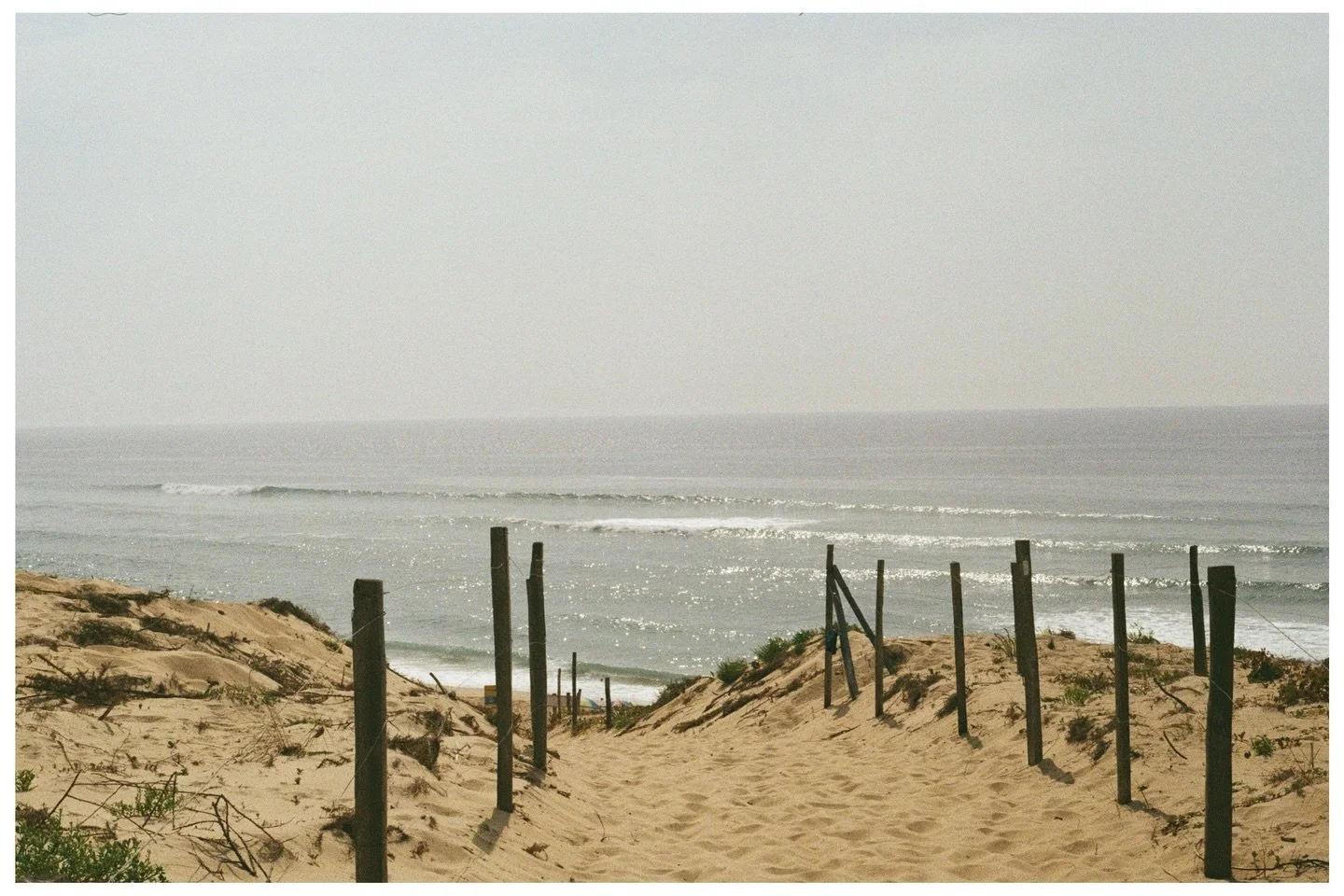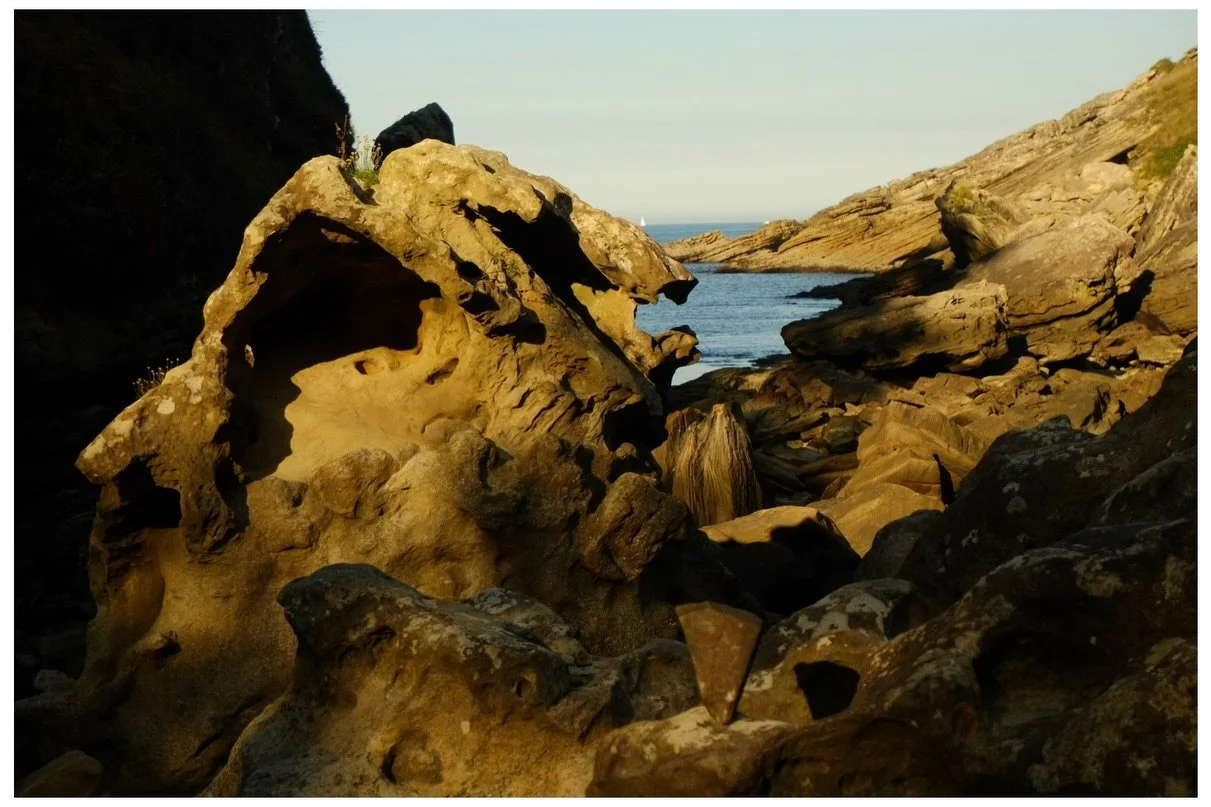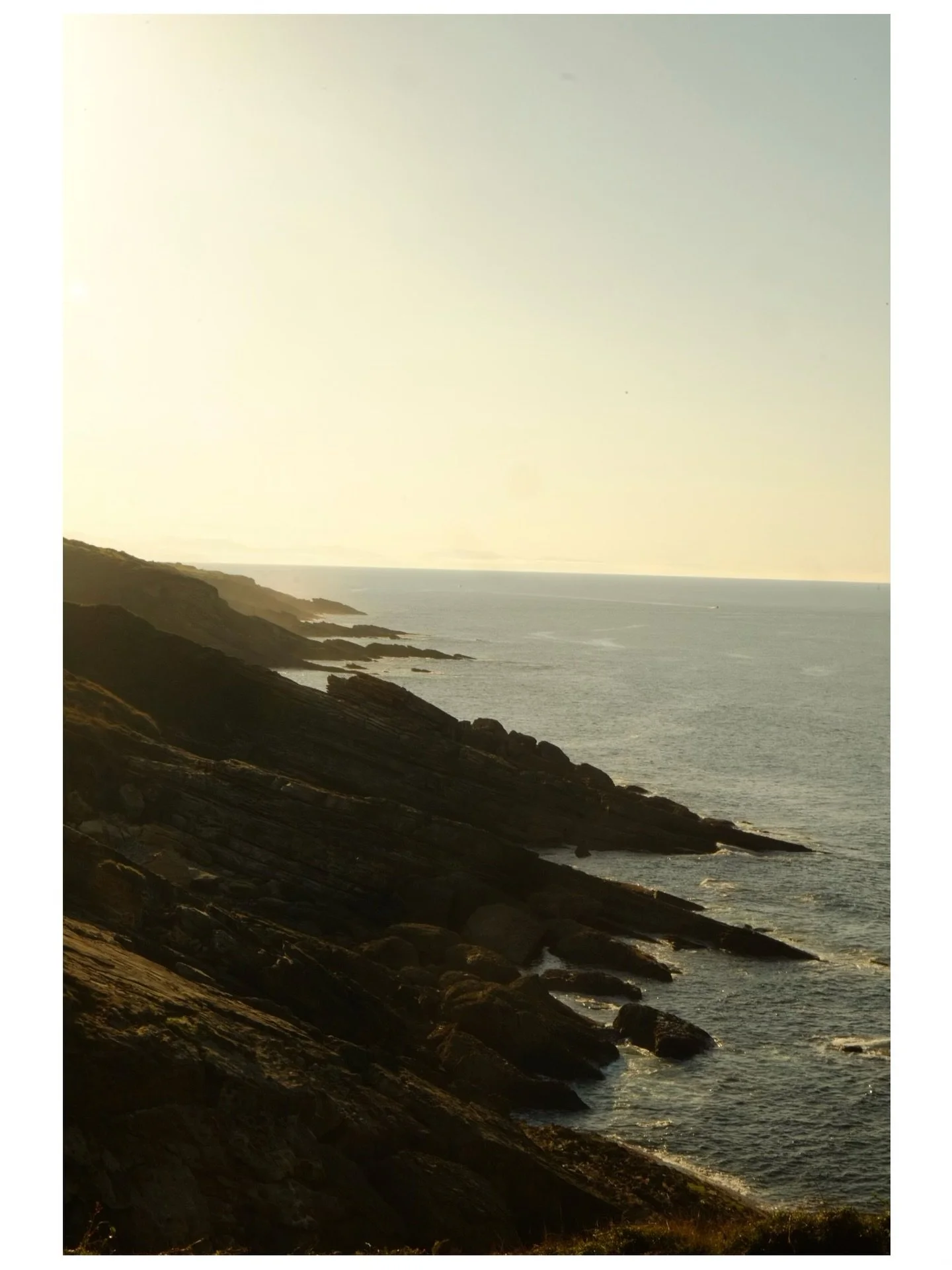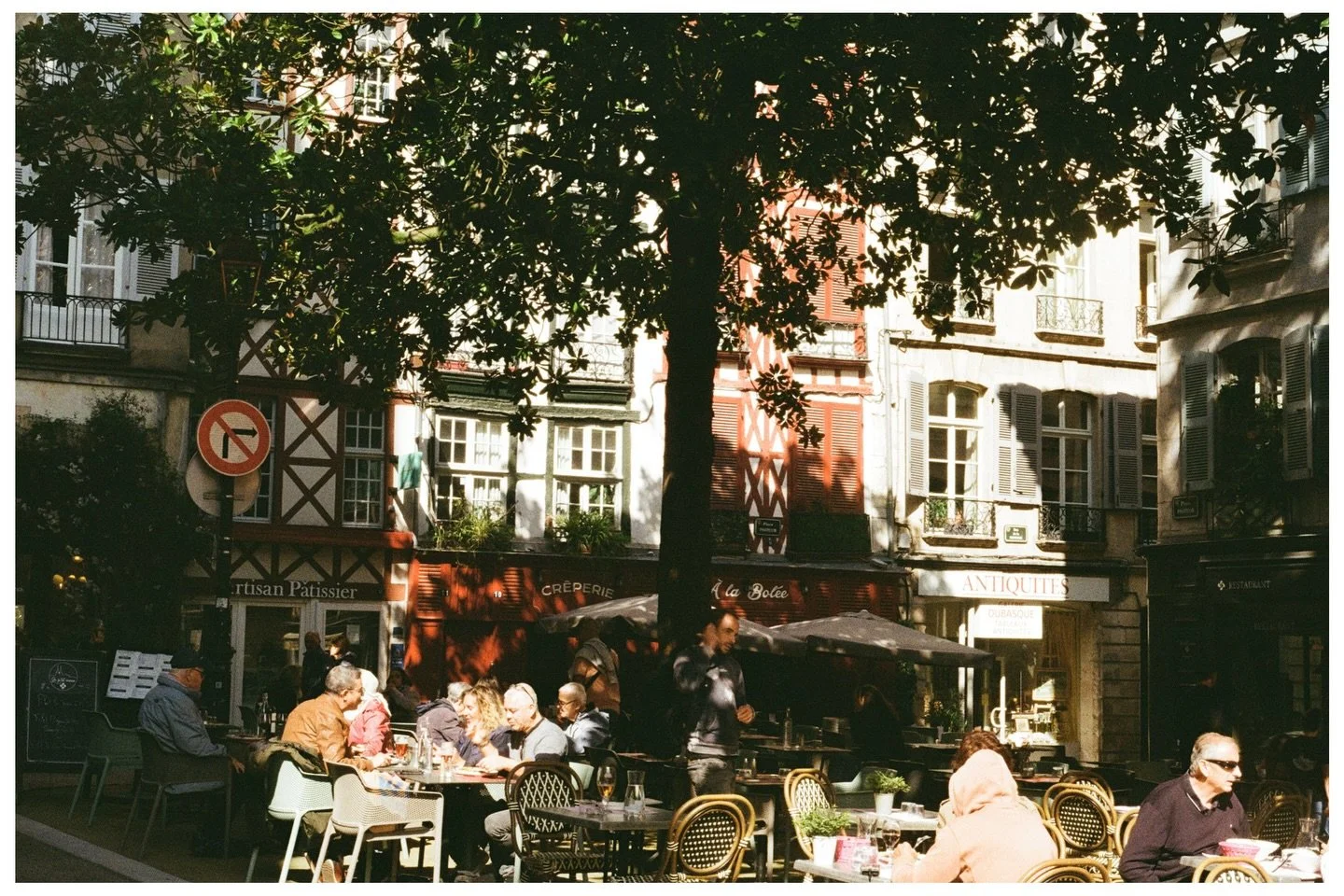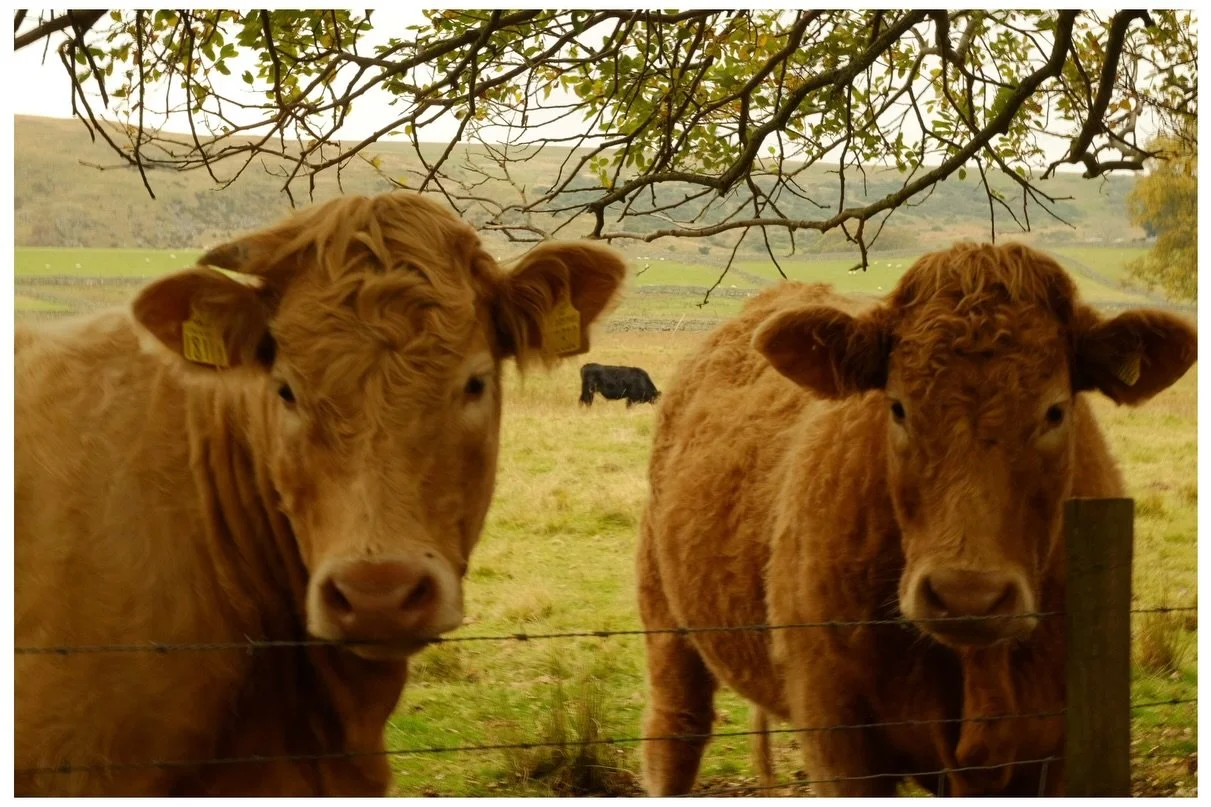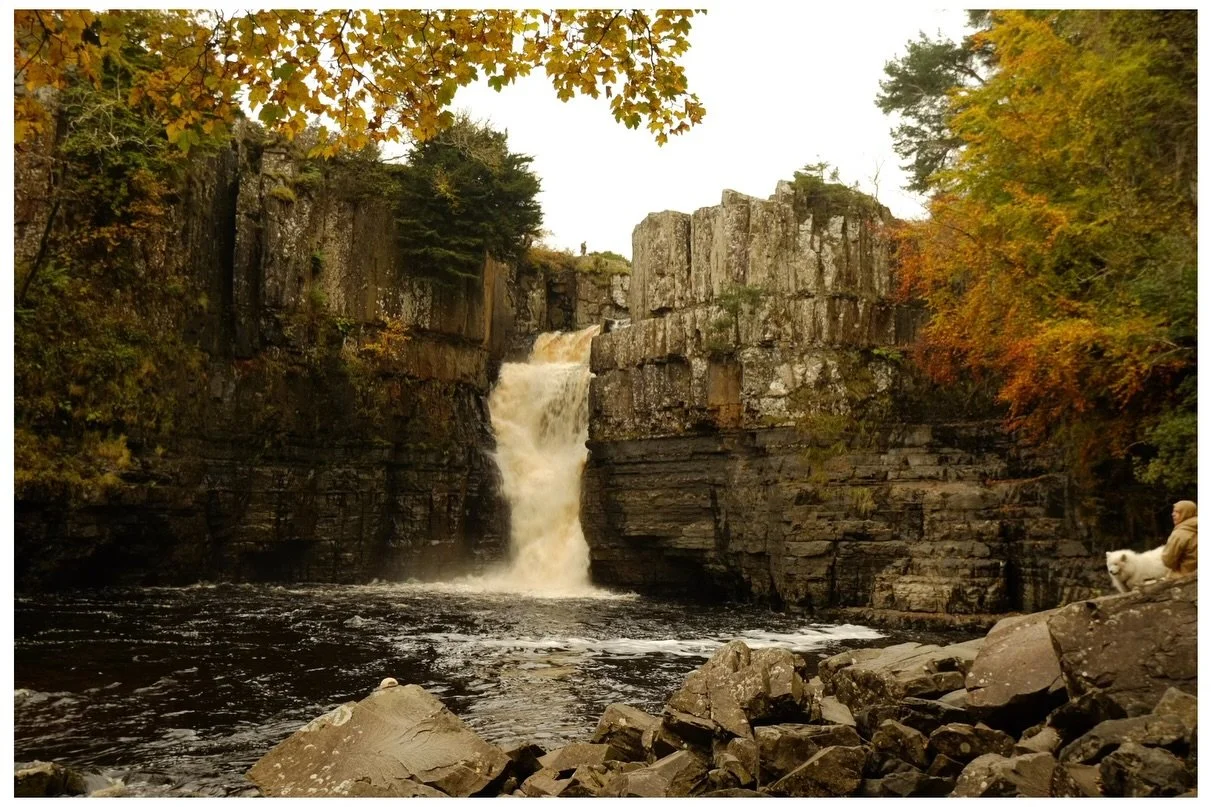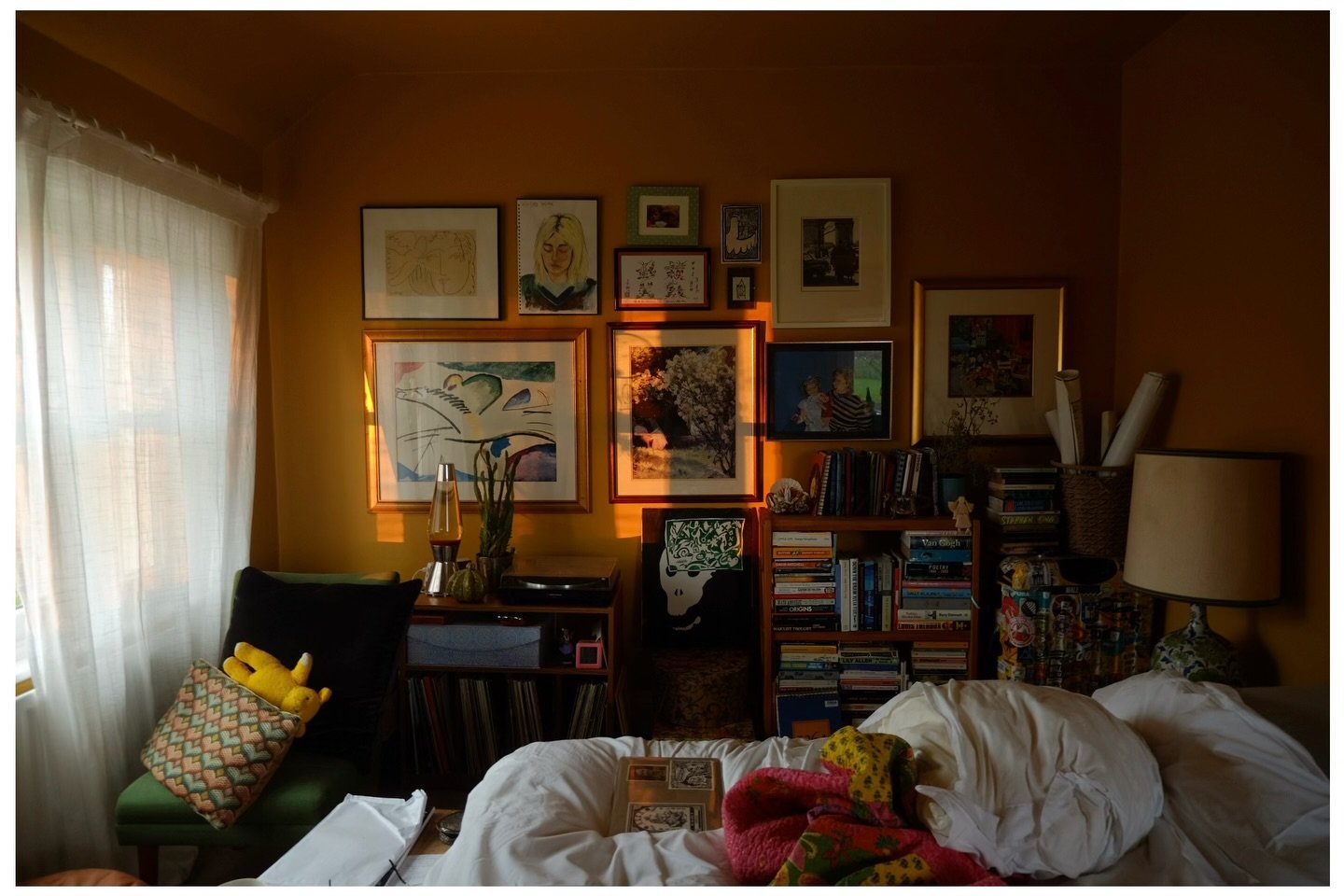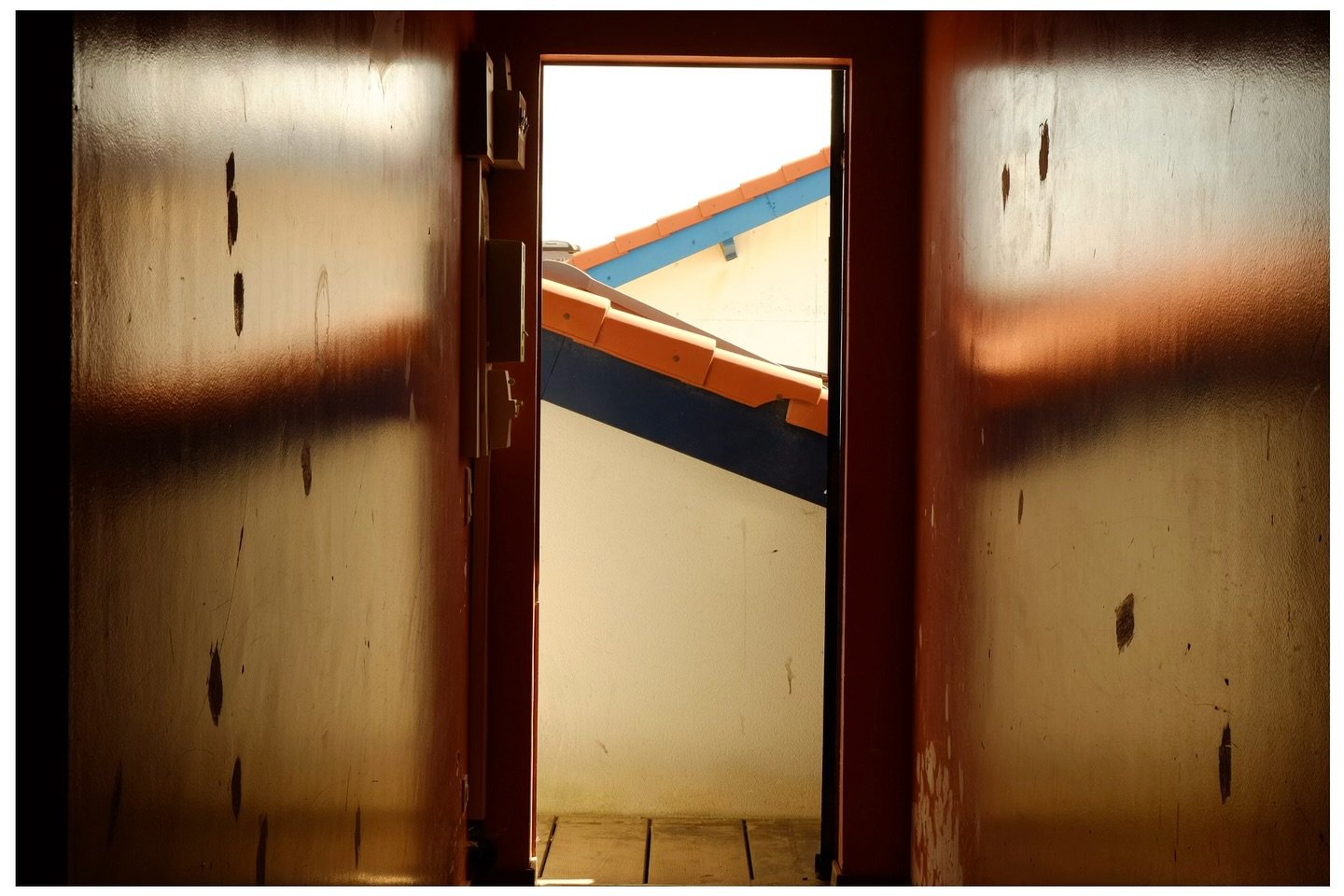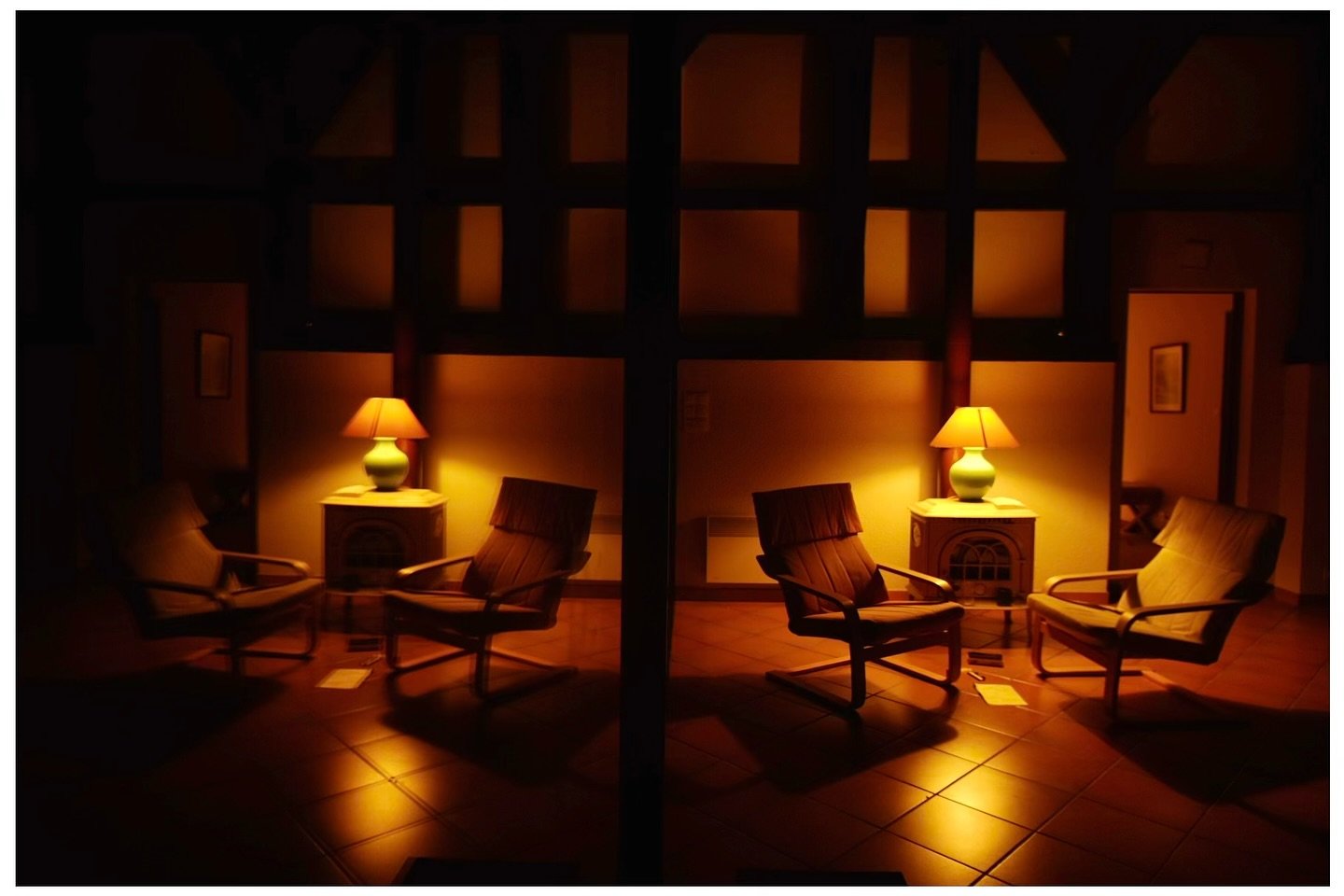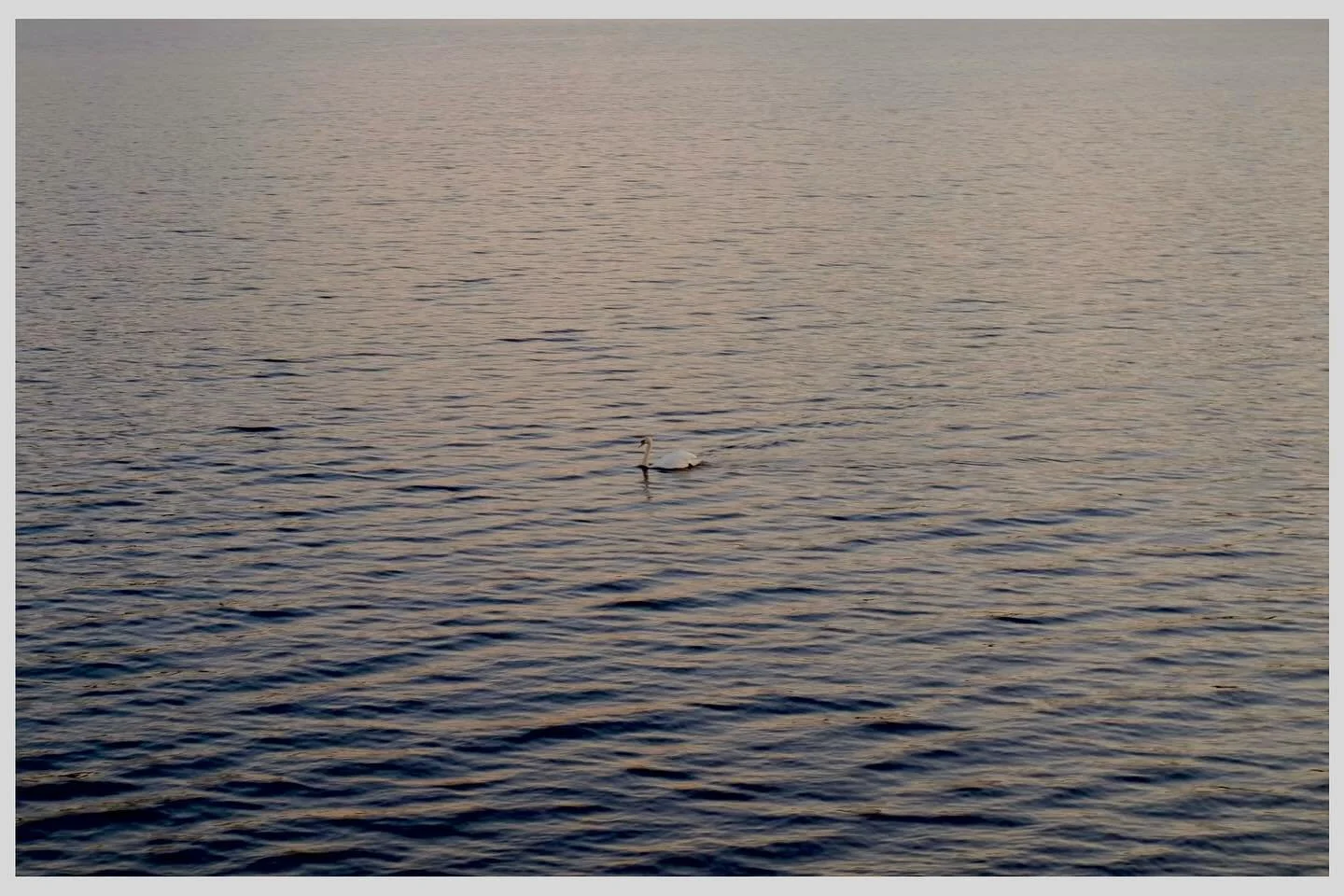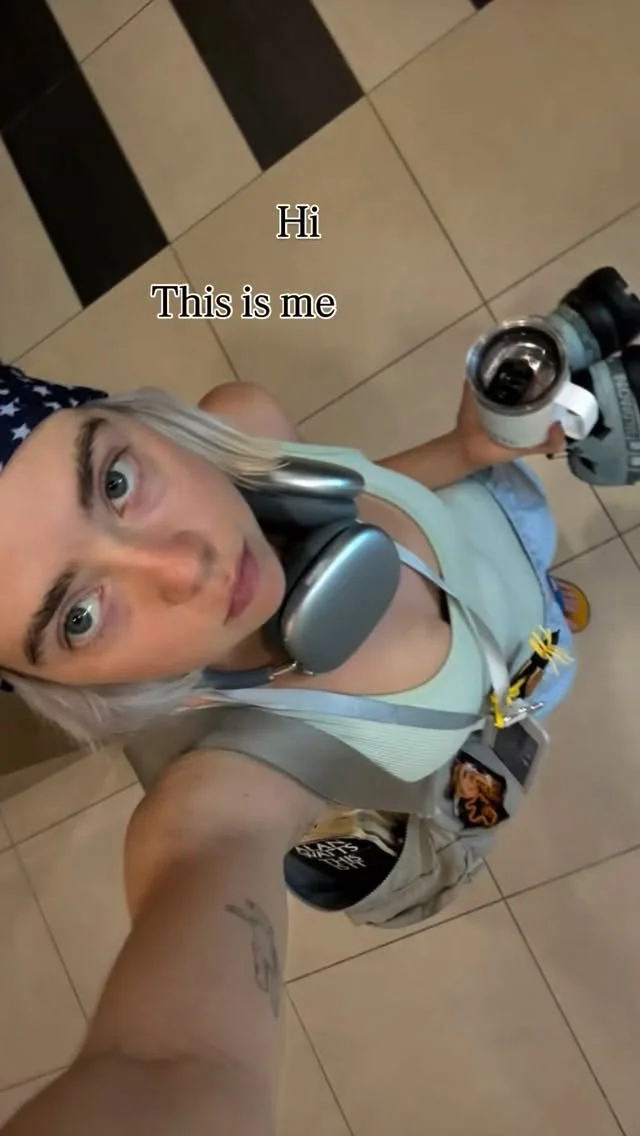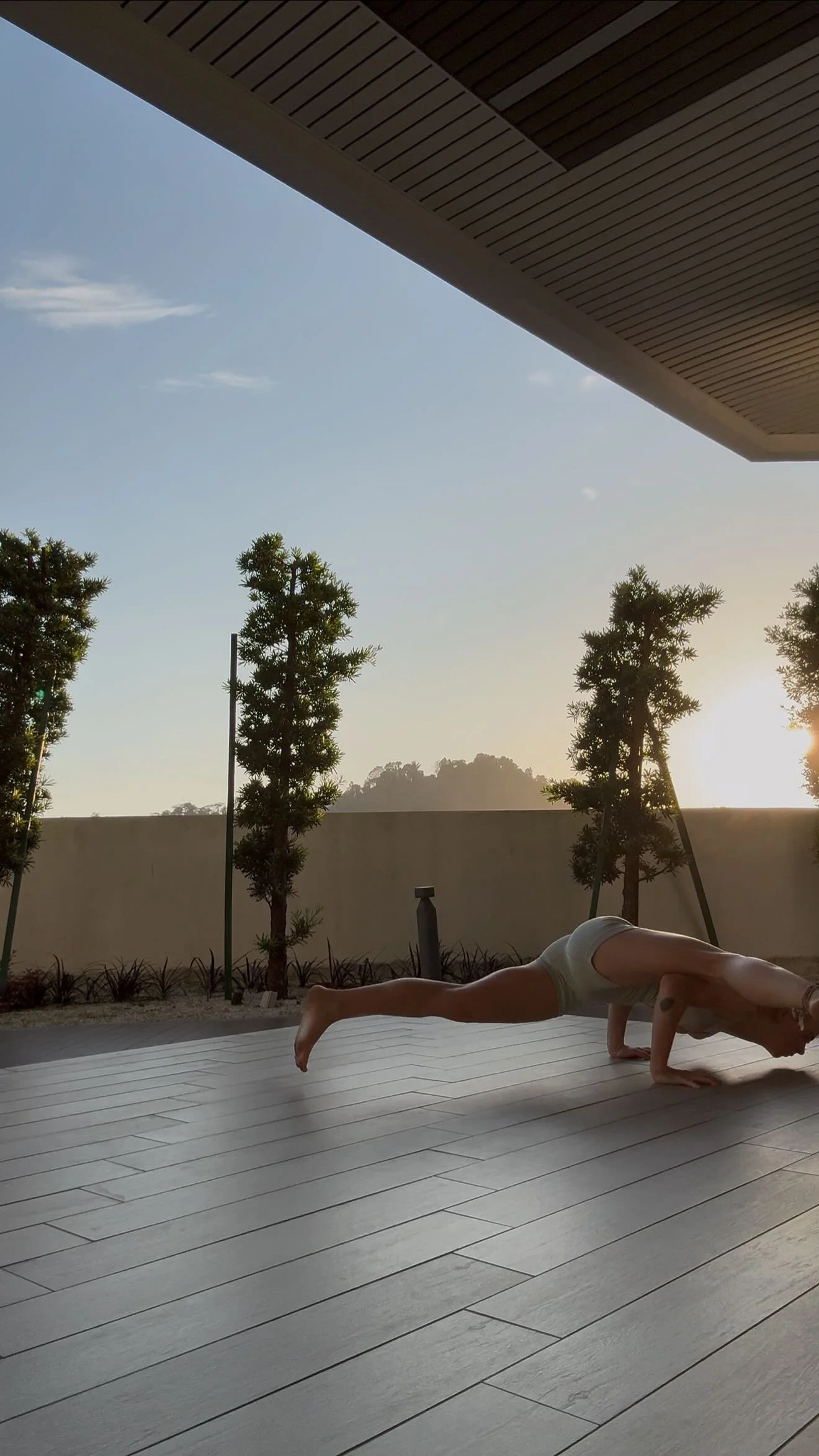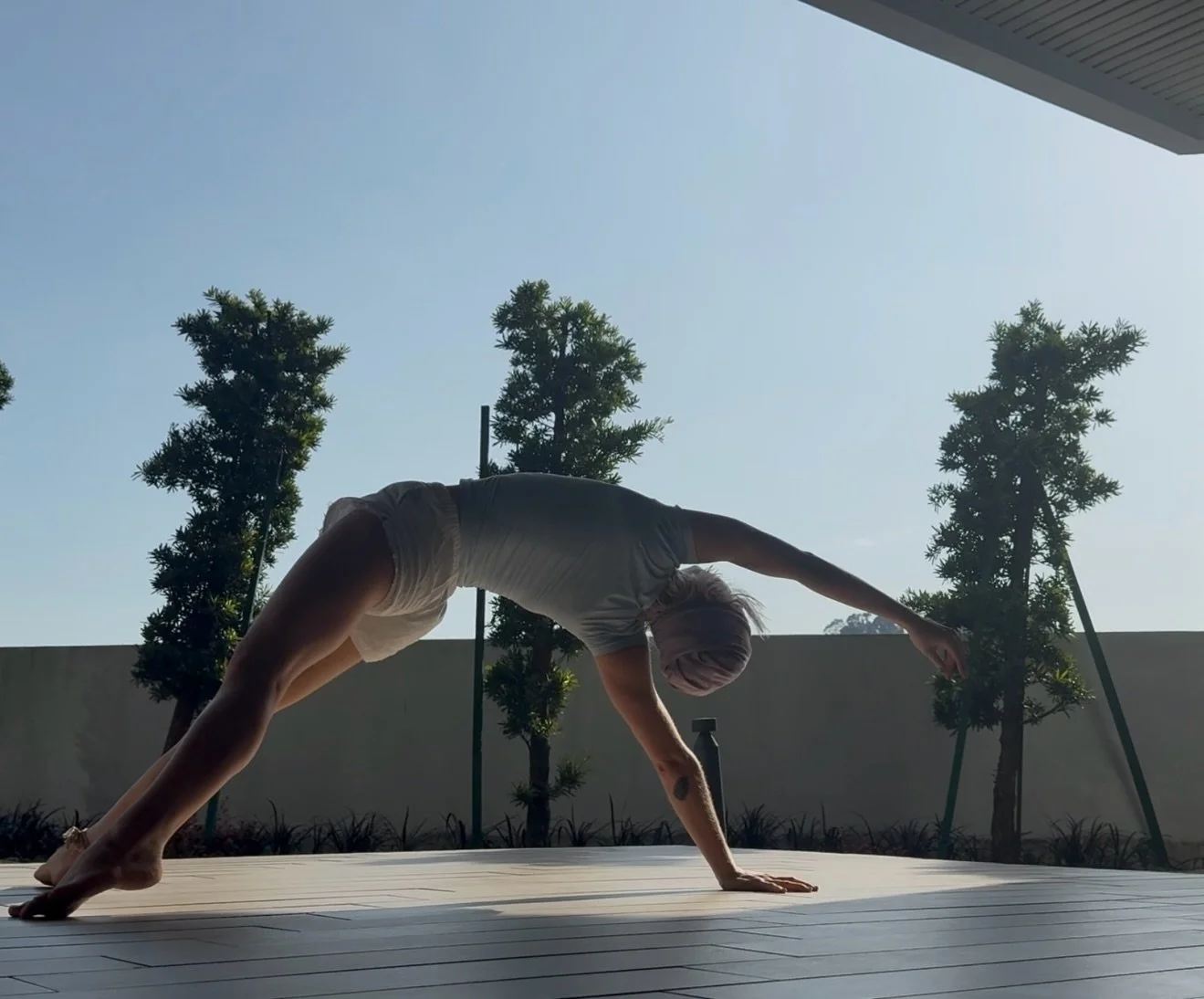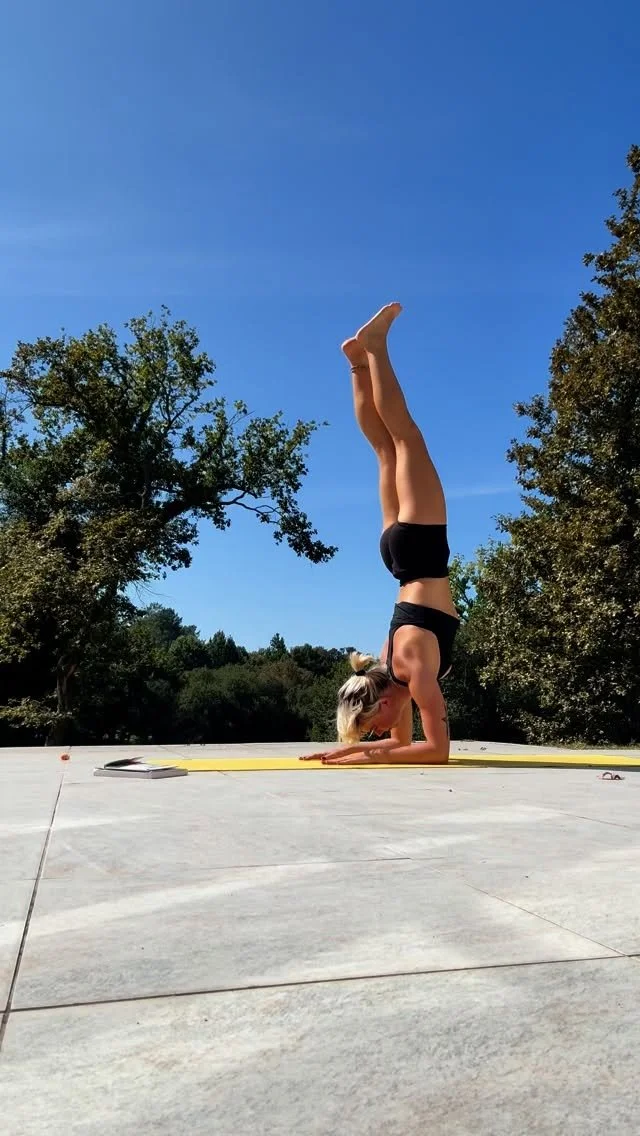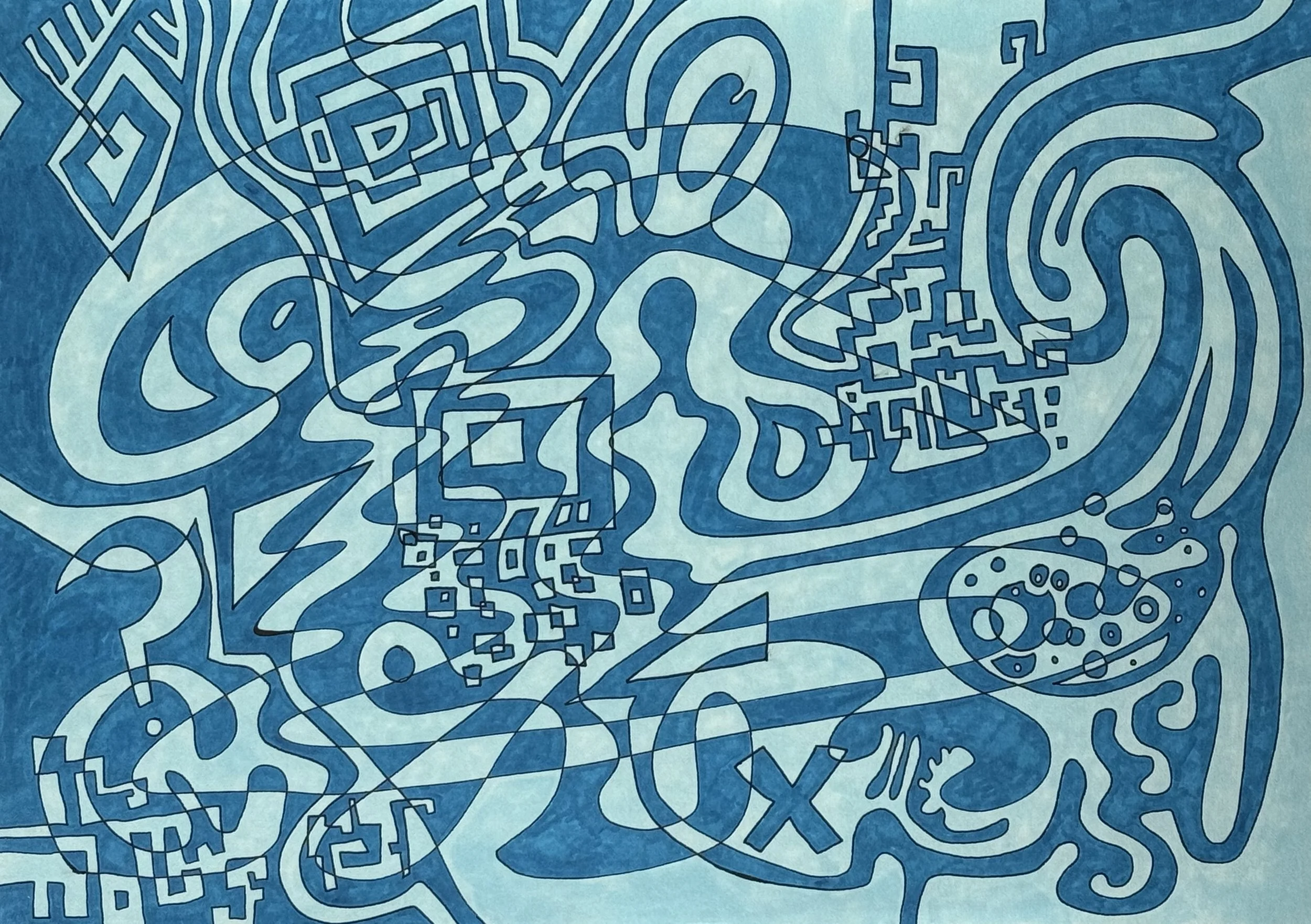
Writer, Artist and Photographer, I am constantly experimenting with the materials available to me. My preferred photographs tend to be taken on film—any and every kind I can get my hands on, especially expired rolls.
When it comes to painting and drawing, I'm also not fussy about medium. I usually finish whatever supplies I have, then try something new—be it oil paints, pens, crayons, charcoal, acrylic, or screen printing.
What remains consistent as a theme in my work is that it always stems from unplanned flows of consciousness. As an avid diarist, I treat each piece as a journal entry—except without words, or sometimes with very few. My process often starts with spontaneous, single-line-inspired patterns, followed by a second session spent meticulously and mindfully ‘colouring in.’ I frequently find unknown emotions incarnating themselves on the page or emerging as single words.
For at least the past ten years I have filled journals with my daily reflections, fears, poems, descriptions of my account of events and this is what I look to for inspiration if I am lost for ideas. This can often provide me with a useful way of processing past emotions and provide an interesting first hand perspective while simultaneously being an observer.
I am currently exploring and leaning into what I do not want to—or cannot draw, most notably - grief. Be that in its most literal from, for loved ones i have lost, but also in a wider sense for a world that could have been, a world that is too perhaps no longer.
Recurring symbols and themes in my work (and therefore my life) seem to center around unanswerable philosophical questions, religion, mortality, nature, purpose, and sobriety.
PROFILE
INTENTIONS
I think accessibility to ‘real’ cameras has decreased intentionality. When I look at pictures from my grandparents and parents photo collections of them growing up, there can be seen an effort to capture a moment, feeling, character or place with sentimental or at least personal attention to detail, a sanctity and level of attention placed on the outcome.
I notice a decline in this desire to produce an encapsulating souvenir replaced by an apathy to do what can be done by machines. The same people now are not even looking at the screen when taking a picture who would have previously, meticulously as a spirit level, paid attention to leading lines and patterns and the human connection displayed, perhaps not realising the affection withheld in their lack of attention.
Susan Sontag describes the moment before taking a picture as artistic, a plan of composition , but when it comes to the moment of capture “thought is regarded as clouding the transparency of the photographers consciousness, and of infringing on the autonomy of what is being photographed”…“the photographers ardour for a subject has no essential relation to its content or value, it is above all, an affirmation of the subjects thereness”.
This need for a lack of thought to heighten the subjects ‘thereness’, poetically requires what Alan Watts describes as ‘itness’, presence, attention.
I believe our attention is being increasingly stolen from us and consequently our ability to witness each other, artistically record each other, and bask in our shared itness.
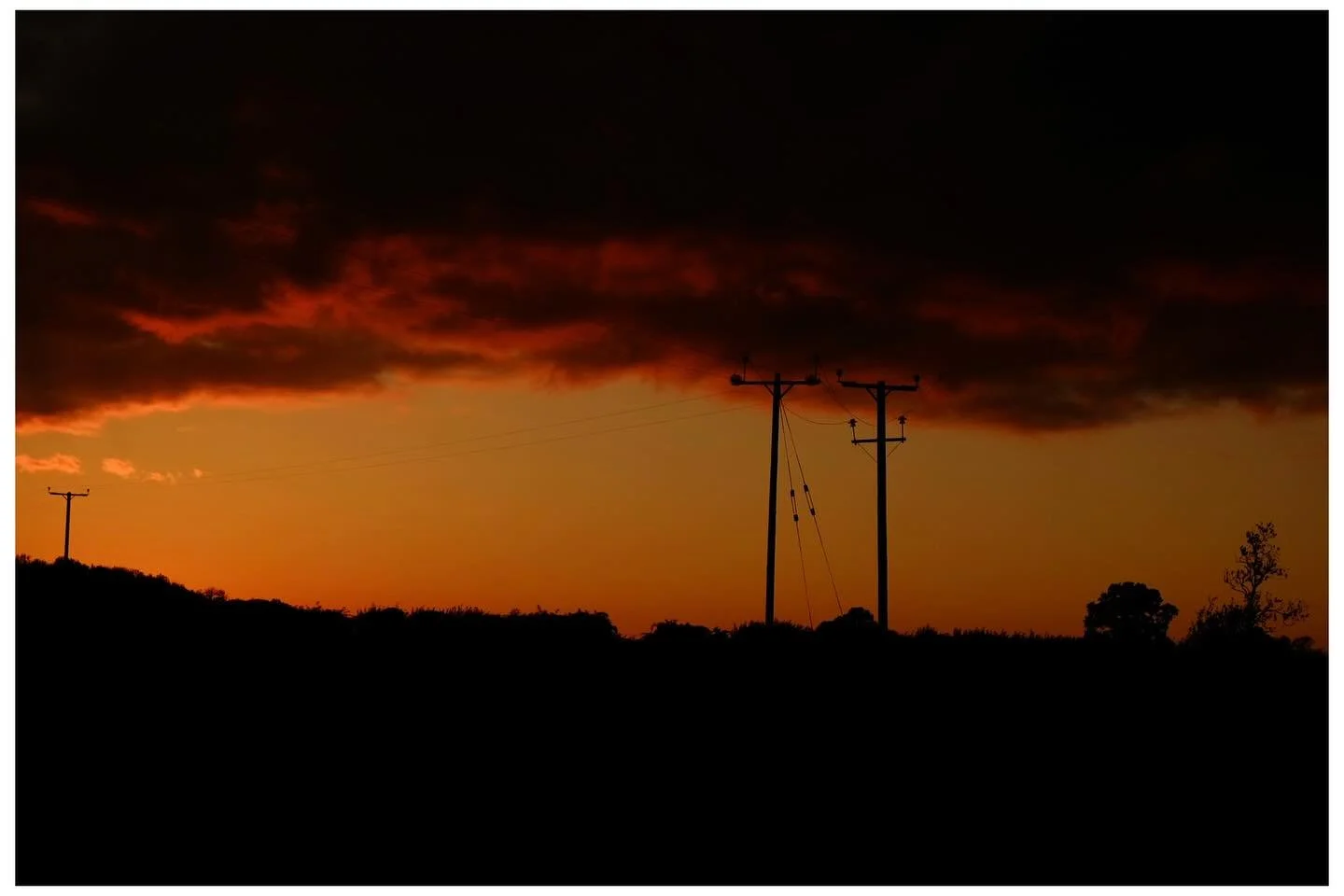
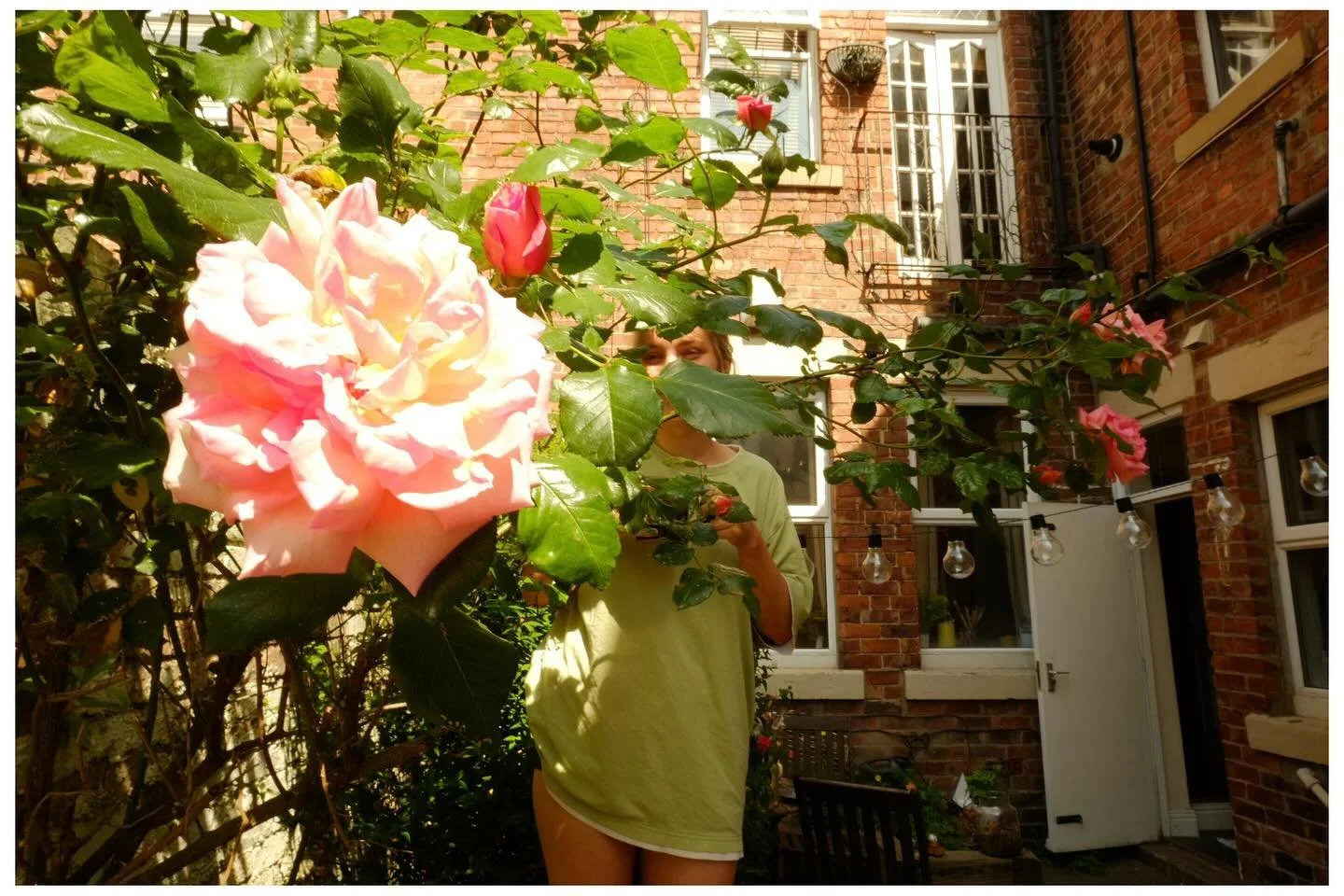
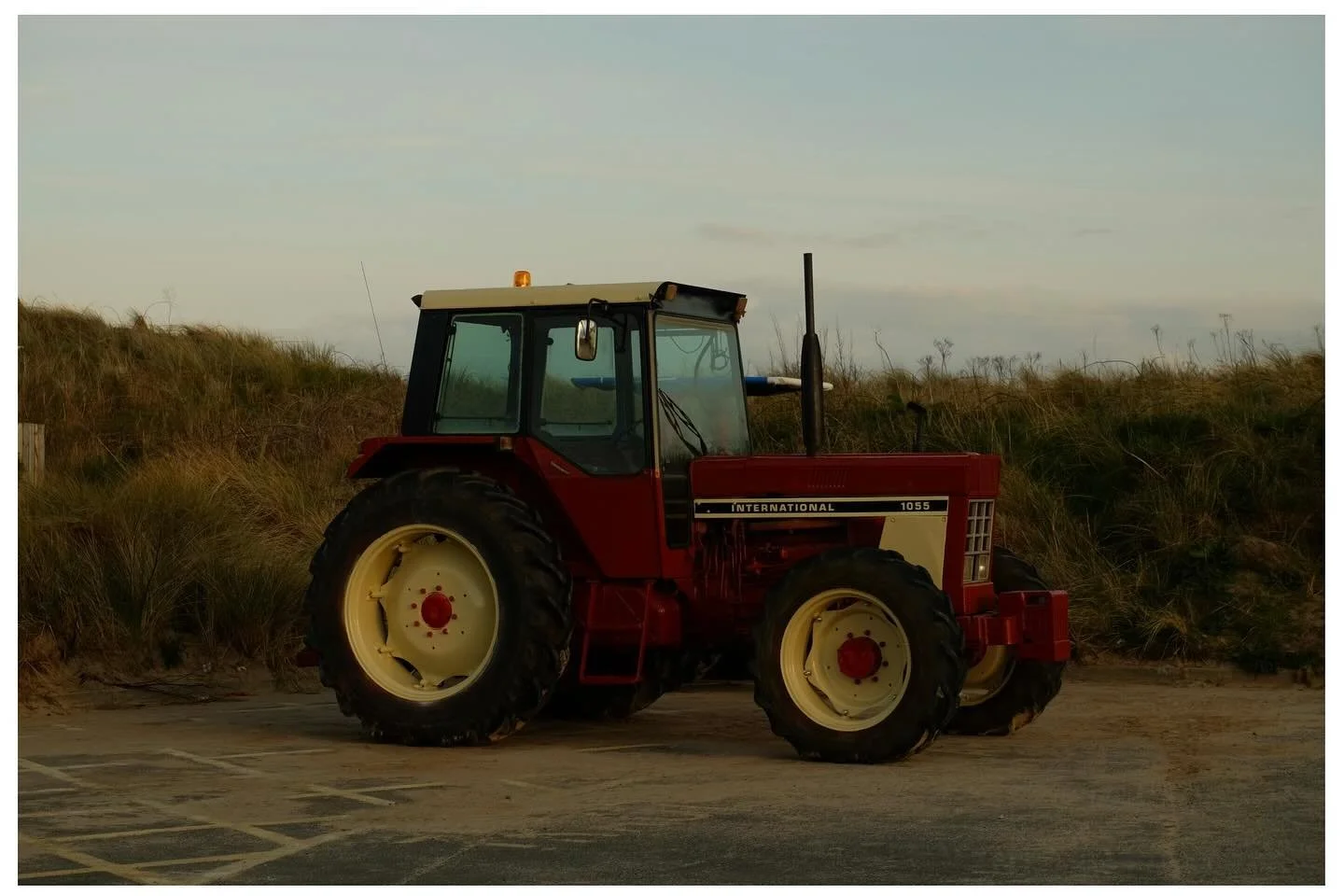
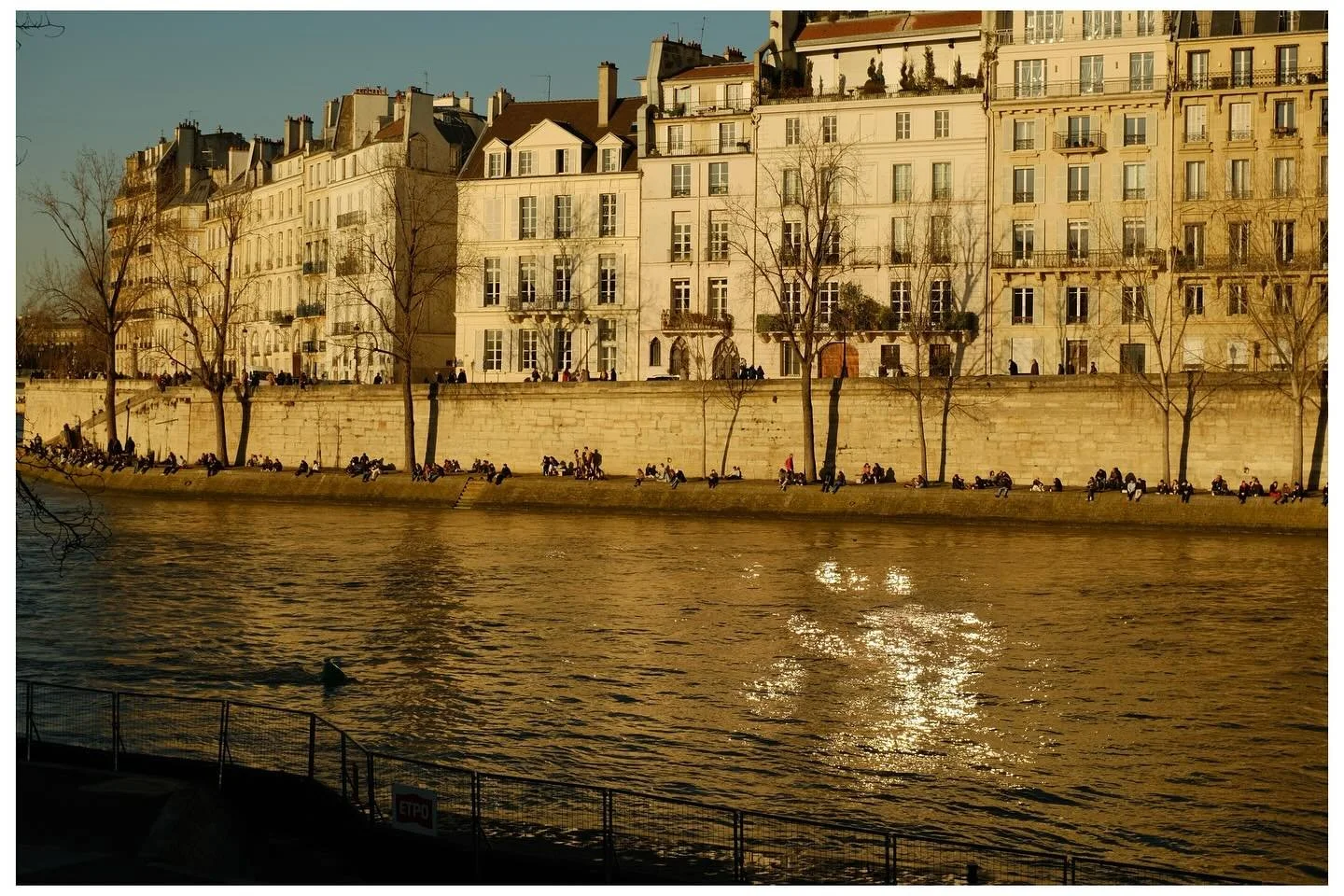
My work is an attempt to maintain the autonomy of my presence through meaningful interaction with my surroundings. Fleeting light, shadows, layers of objects and moments of life that can not be recreated, only experienced, or if I'm lucky - paused in time.